TAM Cover - Spike

TAM Cover - Spike

Thursday, May 15, 2014

Nolan's Top Ten Anime Films

Hello, everyone. I know that I haven't posted anything in over a month, but I recently have been busy with work-related material. However, this doesn't mean the end for Team AnimeManga. There's more to review, and there is sure a lot of content that I wish to review. But, until the next review, I feel like this little countdown is necessary.

As many of you know, I love anime, but I do get excited over anime movies. Many of you are probably wondering what my favorite anime movies are, and I will finally reveal that information. Please note that I may have or not reviewed any of the picks, so I will not go into much detail. I'll be explaining why I like them, and discuss more of the details in future reviews.


I think many of you have probably already reacted to this particular choice when you read the title. Yes, Isao Takahata's 1988 animated film adaptation of Akiyuki Nosaka's book of the same name is indeed one of my top ten favorite films.

Grave of the Fireflies is the story of two siblings growing up during World War II, and this film is notorious for being an overall tearjerker. Even when I watched the film, I couldn't help but feel depressed as I watched it. However, it's one of those films that is so emotionally powerful, and beautifully animated, that I consider it in my list of favorite anime films.

9. Metropolis (2001)


Metropolis is adapted from the legendary Osamu Tezuka's manga of the same name, and it was also written by Katsuhiro Otomo and directed by Rintaro. As much I can say about this certain film is that it is based around a city in the future which is both inhabited by humans and robots, and how the robots are heavy discriminated and even get destroyed on the spot if they step out of their assigned area. With the collaboration of both Rintaro and Otomo, this film became a hit with its eye-popping visuals, and a story that has the audience remain in their seats to know what happens next.

8. Ghost in the Shell (1995)


Ghost in the Shell is one of those films that any anime otaku would know about since it was one of the few biggest anime hits to help bring more anime films into theaters in the United States. Besides its popularity, the film is also known for its heavy use of imagery and philosophical messages on life itself. Plus, the characters in the film are easy to get used to, and the science fiction elements are very enjoyable.
7. My Neighbor Totoro (1988)


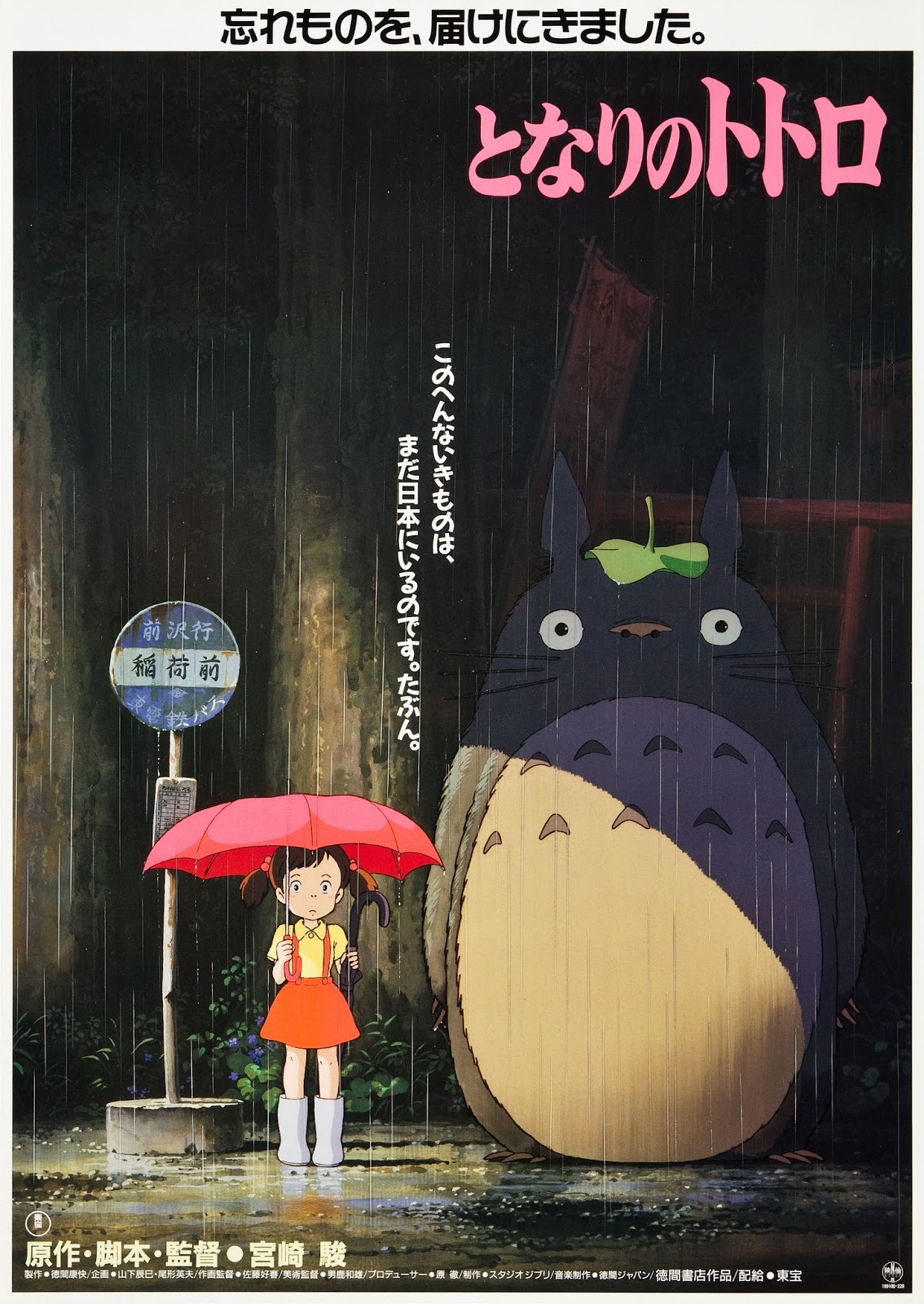
For those that have seen my review of this film in the first part of my review of the films of Hayao Miyazaki, there is not much I can explain, but it is one that I can mention once again.

My Neighbor Totoro is a film based around two young girls who have moved into the country with their father, so they could be close to their sick mother. They soon meet magical creatures, called Totoro, that live in the forest near their new home. This film was released as part of a double bill along with Grave of the Fireflies, and it eventually became Miyazaki's cult classic due to the sales of the Totoro dolls that was made after the film was given a television premiere. It is one of Miyazaki's lighthearted movies that can easily be enjoyed by audiences of all ages.

6. Ninja Scroll (1993)


Just like Ghost in the Shell, Ninja Scroll has its own take of anime history in the United States as it was one of the first anime films to help bring anime to the States during the 1990s. The film was directed by Yoshiaki Kawajiri, and it is the story of a ninja who is looking for the cure of a disease that he gets during the first act of the film and currently fights a group of evil ninjas. The film is notorious for its portrayal of graphic violence and sex, but in its own way, that is fitting to the story itself. The film's story is very entertaining for those who love action-packed/ultra-violent films featuring ninjas fighting each other to the death.
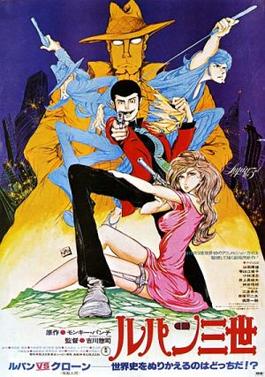

Lupin the 3rd: Mystery of Mamo (originally released as Lupin the 3rd and alternatively titled Secret of Mamo) was the first animated feature film based around Monkey Punch's mischievous thief of the same name. It was released when the second Lupin anime series was being produced for television, and it is one of the darkest Lupin films I have seen so far. It is based around Lupin trying to find out the identity of the person who has been stealing some of the world's most sacred items to only find out that it is only part of a huge plan by a mastermind with a dark secret. The film is truly a Lupin film with its dark sense of humor and amount of nudity that appears in the film. Plus, the villain himself is very disturbing along with his secrets that he reveals to both Lupin and Fujiko throughout the film.
4. Princess Mononoke (1997)


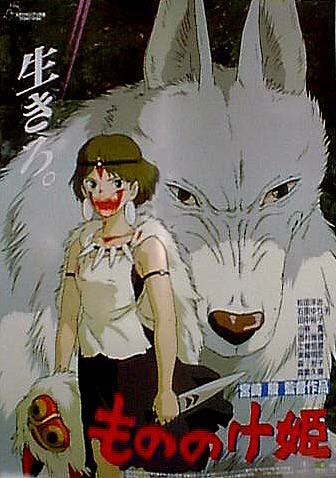
Princess Mononoke is considered as one of Miyazaki's greatest films due to its heavy use of pacifistic and environmental messages, and its unique love story between the main character (who was cursed to die) and a female warrior who lived with wolves for the majority of her life. Along with those, there are the amazing visuals that are mostly presented in Miyazaki's films. Just like with My Neighbor Totoro, since I already reviewed this film, there's not much I could say about this film. However, I highly recommend this film to anyone, even though its war-like violence may be a bit disturbing.

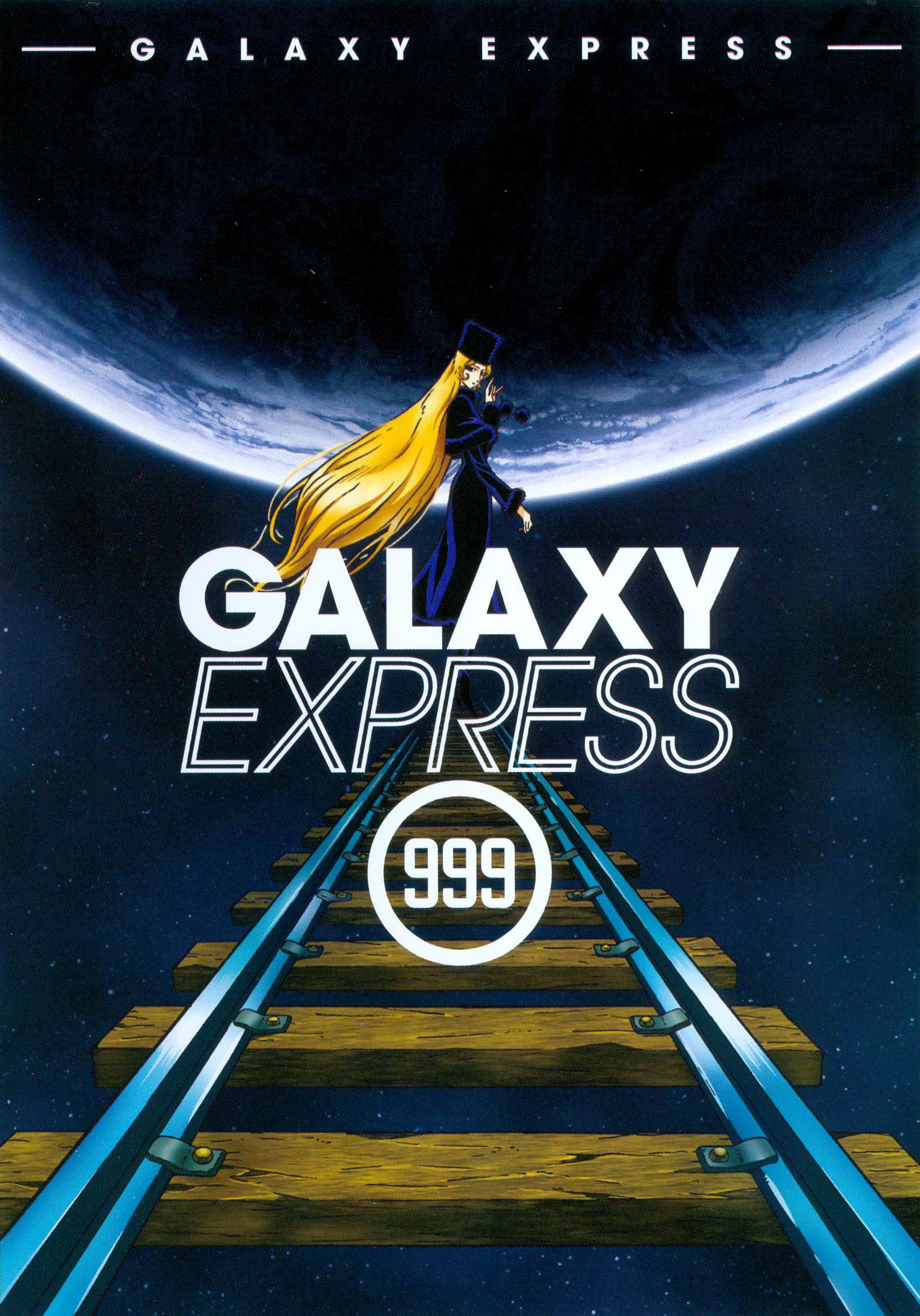
3. Galaxy Express 999 (1979)


Galaxy Express 999 is based on the famous Leiji Matsumoto's story of Tetsuro's journey on the space railway train of the same name. Throughout the film, we see different locations within the universe as Tetsuro is off to get revenge for the death of his mother. Along with him is a mysterious woman by the name of Maetel, and he eventually meets other Matsumoto characters such as Captain Harlock and Emeraldas on this particular journey. The visuals in the film are absolutely for the time that it was made, and under Rintaro's direction, it is a film to enjoy.

2. End of Evangelion (1997)


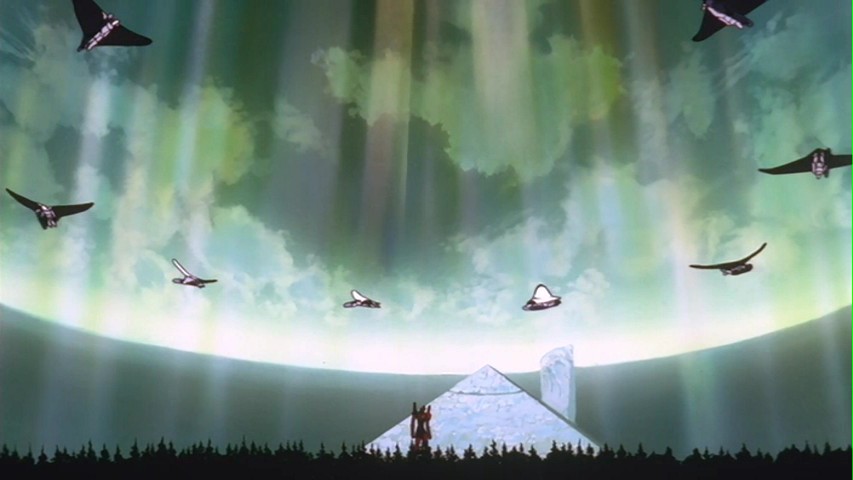
Indeed, Hideaki Anno's alternate ending to his Neon Genesis Evangelion television series is high on my Top Ten List. As much as I explained in my review of the film, there is so much that goes on in the film that trying to explain one bit of detail might spoil certain parts of the movie. However, it separates itself in two parts as if it were two episodes put together. The first part being like an actual episode, and the second being something completely different. To the point, the visuals are breathtaking (especially in the second part) and the direction that Anno takes the film is both terrifying yet satisfying.

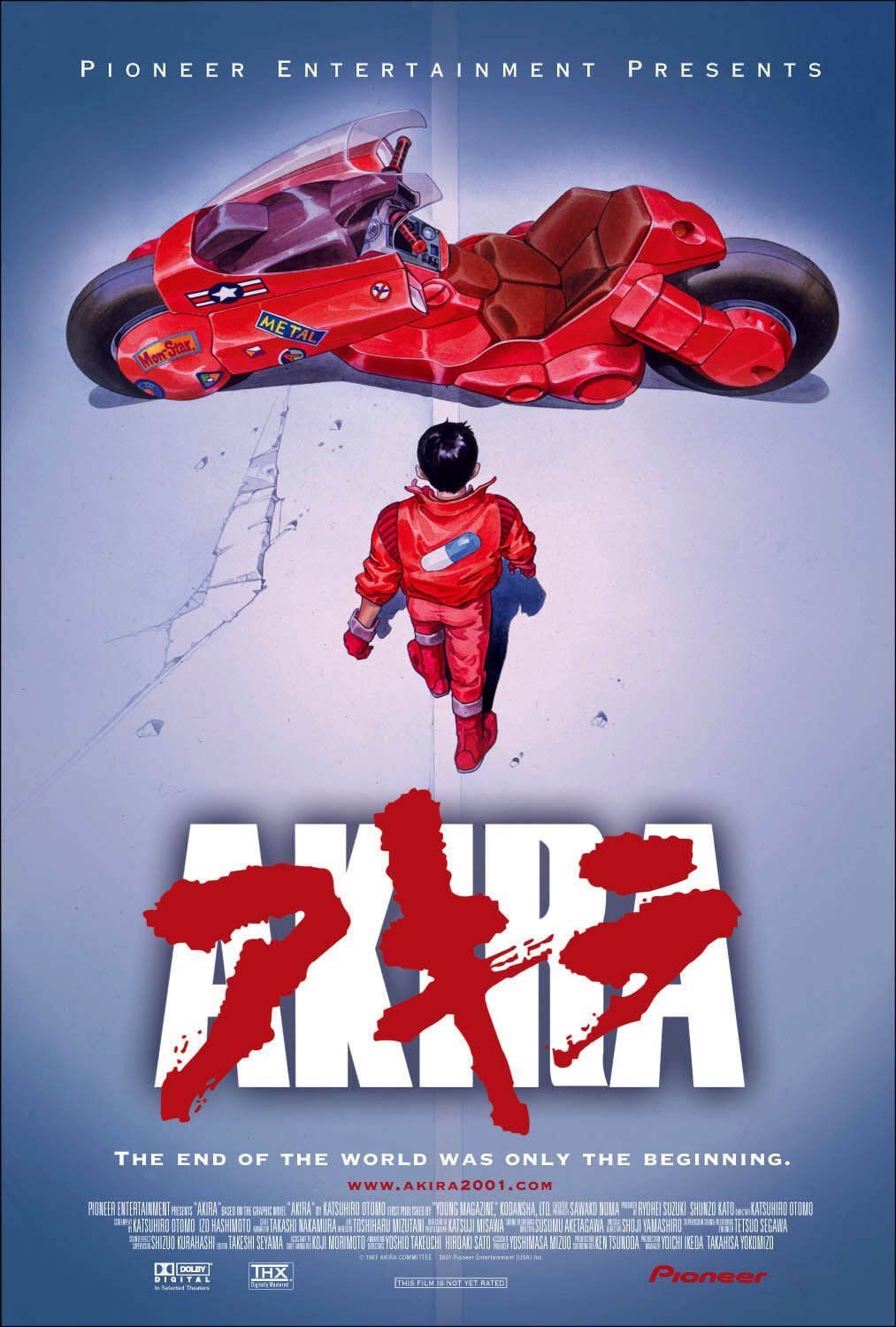
1. Akira (1988)


That is correct. My number one favorite anime film is none other than Katsuhiro Otomo's film adaptation of his manga of the same name. Akira isn't just a well-known anime film. It is a landmark of Japanese animation. It is the first to actually have the actors record their lines for the film before the animation process, and it was the film that gave birth to the modern day anime industry (which was later expanded by the previously mentioned films like Ghost in the Shell and Ninja Scroll, and television series such as Sailor Moon and Dragon Ball Z). The story (even though it is somewhat different to the one in the manga) and the visuals are beautifully animated for the screen with the addition of the characters. For any person who loves anime, the film itself is highly recommended to both the casual fan and the otakus.

Written by Nolan Schmidt

Friday, March 21, 2014

Kite: A Review

From the famous anime I've mentioned on this blog so far, one of the titles that I'm reviewing for this blog is one of the few that is considered as a "cult classic," and it had one of the most interesting histories that I have ever read about for an anime. What anime am I speaking of? That anime is known other than Kite.


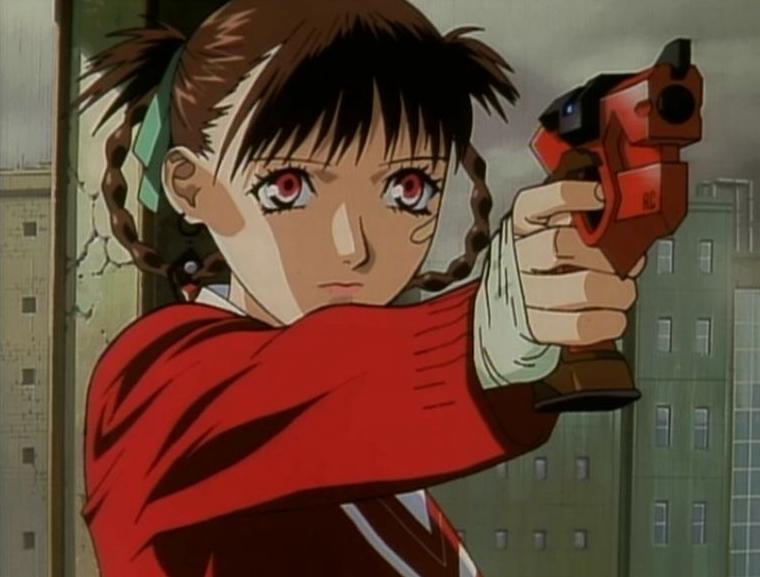
Kite (also known by its original title, A Kite, in Japan) is a two episode OVA made in 1998 by director, Yasuomi Umetsu. Umetsu made Kite three years after completing an episode for the hentai OVA series, Cool Devices. He originally wanted to make an anime that would be fit for a general audience, but the production company wanted him to create another anime meant for adult audiences only. This eventually lead to the production of Kite, and the final result became the two OVA episodes that anime otakus know about today. However, Umetsu then edited the OVA into a film that was meant for general audiences as he originally intended before working on his next OVA, Mezzo Forte. For this edited version, many of the scenes of graphic violence remained in the new cut, and the scenes that contained explicit sexual content are completely gone (except for several shots of a nude Sawa). As of today, audiences have seen either the 18+ or the 16+ version, or have seen both to make a fair opinion about which version is better to watch. I am one of those individuals in the latter, and the version I will be discussing about in this version is the original released version that contains both the extreme amount of violence and the graphic sex scenes (otherwise known as the 18+ version).


Kite focuses on Sawa, a young female assassin, who is ordered by her dirty cop guardian, Akai, to kill several famous celebrities and targets chosen by Kanie, who gets the information of the targets given by the clients. Sawa was orphaned at a young age when she found her parents brutally murdered, and is eventually taken under Akai's wing as his personal sex slave. The only thing that Sawa treasures in the world are her earrings, which were created from the blood of her parents, given to her by her lustful guardian. She soon meets Oburi, a male assassin around her age, and they are given assignments to kill off child molesters and gangsters. However, everything changes when both Akai and Kanie want Oburi dead, and Sawa finds out who was the person behind her parents murder.


When it was released, Kite was very controversial due to the amount of violence and sexual content (especially in a scene where Sawa is raped by Akai), and how graphically detailed most of the sex scenes were. However, Kite became well known when it was released in the United States. The band, No Doubt, created an homage to the two-episode OVA in their "Ex-Girlfriend" music video, and film director, Quentin Tarantino, had Chiaki Kuriyama watch the OVA to prepare her for her role as Gogo in his two-part revenge drama, Kill Bill. There is also a live-action adaptation, starring Samuel L. Jackson, that is set to be released later this year.


I highly recommend this anime, but it depends on what version that you would want to watch. If you do not want to see any of the explicit sex scenes, the 16+ version is the one you may enjoy the most (the 2008 Kite: Remasted DVD, which is the current 16+ version, is also the mostly available as of now). If you want to see the OVA as it was originally released, the 18+ version is for you, but the most "current" version of it from 2004 is only available on anime retail sites like RightStuf. The general released version is also currently available for instant streaming on Netflix.

Written by Nolan Schmidt

Sunday, March 16, 2014

Anime Talk: Episode 1

At last, the first episode to Team AnimeManga's vlog series, Anime Talk, is now available to watch here on the blog and on YouTube.


Saturday, March 1, 2014

The Wind Rises: A Review

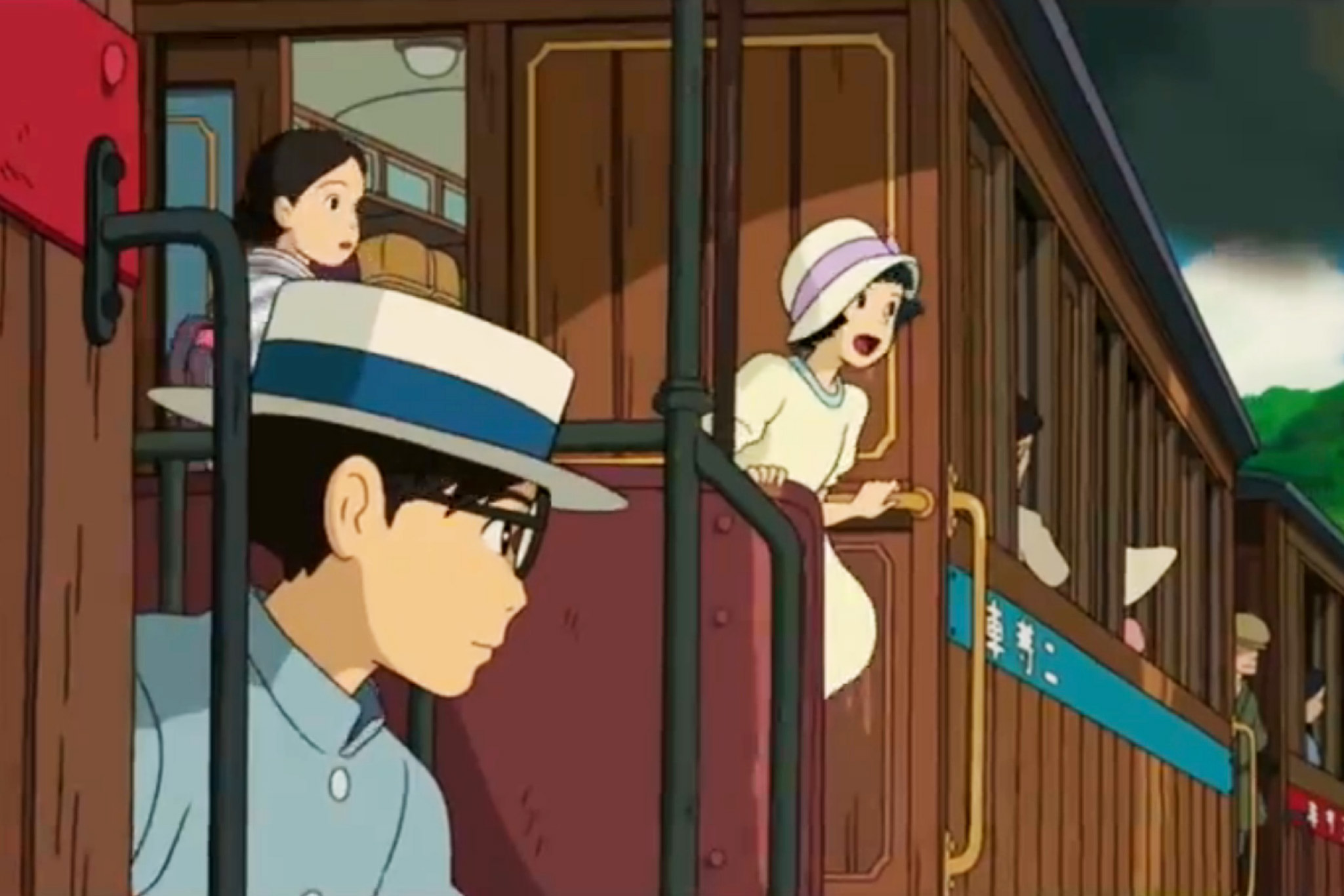
On February 21st, Touchstone Pictures released Hayao Miyazaki's latest masterpiece, The Wind Rises, in a limited theatrical release before giving it an expanded release the following weekend. I was excited for this release since I am a huge fan of Miyazaki's work, so I was destined to go see it even if I had to go to a theater in another town (which actually happened since the one in my hometown didn't have it).


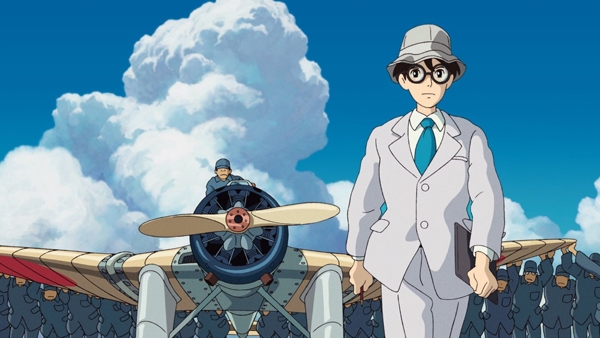
The Wind Rises (known as Kaze Tachinu in Japan) is an animated historical fiction film based loosely on the short story, "The Wind Has Risen," by Tatsuo Hori, and the life of Jiro Horikoshi, who designed both the Mitsubishi A5M and the Mitsubishi A6M Zero.


The film is based around Jiro, who dreams to be an airplane designer after being inspired by the works of Giovanni Battista Caproni, an Italian airplane designer that he read about in an English aviation magazine. After a brief time skip, Jiro is now grown and aiming to live his dream, but he soon meets Naoko, a young girl who would eventually meet him again later in the film, right before the 1923 Great Kanto Earthquake hits the shores of Tokyo. Afterwards, we see him working on a design team for an airplane production company, and having multiple dreams that has Caproni giving him more advice for his dreams. 


The film itself is very dramatic, especially with the scenes with both Jiro and Naoko, but contains the same amount of enjoyment that is seen in any of the other films by Miyazaki. However, unlike projects like Princess Mononoke and Spirited Away, this particular film is a bit more realistic in its storytelling. I enjoyed the film, and I even said the words, "Congrats, Miyazaki-san," as the credits began to roll. I highly recommend anyone to see this film since it is now playing in theaters across the United States.

Written by Nolan Schmidt

Thursday, February 20, 2014

The End of Evangelion: A Review

In July 1997, audiences in Japan witnessed the film that is known as The End of Evangelion, and it would eventually be known as one of the most thought-provoking feature-length anime films to be released.


Before I pressed play, I had a feeling that what I was going to watch was going to be something completely different, and my mind was completely blown afterwards. Just like Death and Rebirth, the film presents itself in two different segments, but since it is considered as an alternate ending to Neon Genesis Evangelion, the segments are considered as episodes (technically as "Episodes 25 and 26").


In Episode 25, NERV is under attack by the forces of SEELE, and the lives of the pilots are threatened. As Misato takes Shinji to his Eva, Asuka is on the battlefield fighting SEELE's personal Eva army, and Rei is with Gendo to help start the events of the final episode. Throughout the action scenes, we see multiple deaths as NERV's staff is brutally shot or incinerated, and a couple of the supporting cast members die on screen. The scenes are action-packed, but it all changes in Episode 26.


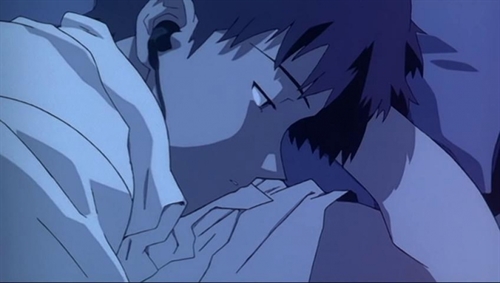
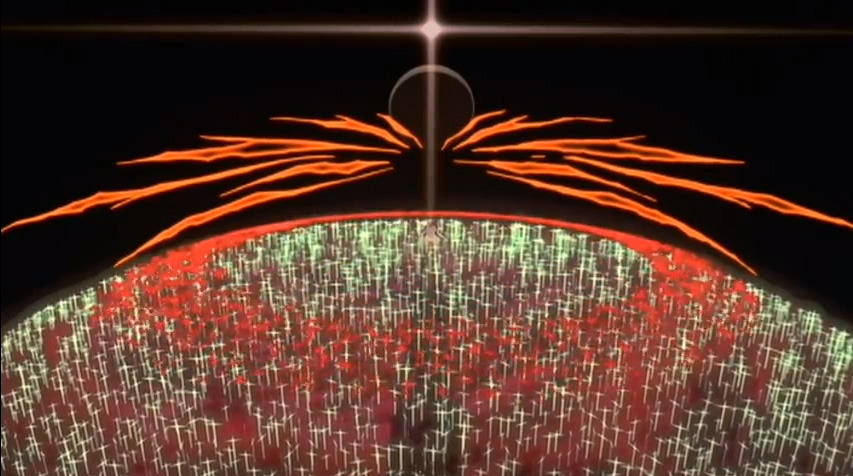
Episode 26 is where the film takes a sharp turn, and it becomes disturbing and confusing like a visual roller coaster of terror. Without spoiling any of the important parts, the film goes straight into Shinji's mind as the planet begins a straight course into destruction, and Hideaki Anno goes into the territory that is somewhat familiar in several of the works of Mobile Suit Gundam creator, Yoshiyuki Tomino. Technically, everything becomes an eventual Hell for the remaining cast, and Shinji is eventually tormented with both memories and nightmares that goes into his head. This occurs in the film until the very end when we see one finally short segment that finally concludes the film.


After I was done watching the film, I asked myself one final question: Is this really what the fans of Evangelion wanted from Anno after they were disappointed by the final two episodes of the TV series? If it was, I would want to ask them if they were satisfied with the final result that Anno came up with. Before I end this review and give my final opinion about it, I want to bring up how many people who watched this either liked it or hated it, and how it's complicated to understand what type of movie The End of Evangelion really is. Those who liked this movie believe that it is a film that concludes a great series like Evangelion, but the people who didn't like it say that it's a confusing film that is hard to understand.  Now, that I watched the film, I don't really think it should be called one at all. It's a complete look into the mind, and it's also an experience that must be seen to be believed.


In short, I recommend this film, but to view it in a way that I believe Anno wants it to be seen, anyone who watches The End of Evangelion must watch it with an open mind. They should also be prepared for it before they even press play. Like Death and Rebirth, the DVD is out of print, but it can easily be found on online shopping sites. I have to admit that this was the toughest review I had to write, and there will probably be a tougher one down the road. However, I will eventually return to Evangelion, since there is the existence of the Rebuild of Evangelion film series, and there may be some topics I may want to cover more closely in some sort of analysis. Until then, I shall go back to review several series, movies, and OVAs that are very familiar with the anime/manga fan base.

Written by Nolan Schmidt

Wednesday, February 19, 2014

Evangelion - Death and Rebirth: A Review

Last Saturday, I posted my review of Neon Genesis Evangelion, and I mentioned near the end that I would "eventually review both Death and Rebirth and The End of Evangelion when the time comes." Well, the time finally came, but I feel that reviewing both films in two separate posts would be a bit better for me to do than to do them as one full review.


The concept of these films came after many fans of Evangelion were disappointed by the last two episodes of the television series. They sent angry letters to the creator, Hideaki Anno, and vandalized Gainax, the company that produced the series. This would eventually lead to the announcement of two final Evangelion films, and one of these films was Death and Rebirth.


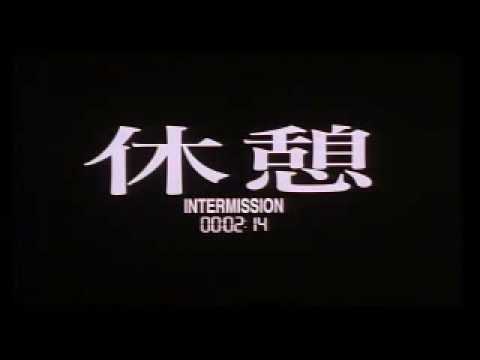
In my post about Evangelion, I commented that this particular film was actually "a 'recap episode' that also contain a 27 minute sneak-peak for the following film," and technically, that's what the film is. The film was released almost a year after the series ended in 1996, so the producers decided that they should re-inform their fans and tell their audience of what happened in the show. However, how it's done in the film is completely different as it focused more on the characters than the actual story. The characters are separately described through certain chosen clips of those certain individuals from the show. This is all done through the first three-fourths of the film, which is called "Death," before the audience eventually gets a five minute intermission.

Really? An intermission?

Then, we have "Rebirth," which is literally the first half-hour of End of Evangelion, and this is where I personally started enjoying the film. There is action with a hit of drama, but this eventually ends with a "cliffhanger" that involves one of the main character who is about to start a battle with the enemy's backup forces.


I would like to recommend this film. However, I feel that it would be better for people to watch the show instead of this film before diving head first into the alternate ending that is also known as End of Evangelion. There is indeed some new footage in the "Death" segment, but it's mostly just introductions of the main character about to play some classical music. But, if you would like to watch this film, you may have to buy a copy online since the original DVDs provided by Manga Entertainment has been long out of print.


Make sure to stay tuned for my upcoming review of End of Evangelion.

Written by Nolan Schmidt

Saturday, February 15, 2014

Neon Genesis Evangelion: A Review

On October 4, 1995, an anime that changed the Mecha genre premiered on television in the country of Japan, and it also started one of the biggest franchises that was either hated or enjoyed by many anime fans. This anime was known as Neon Genesis Evangelion.


The series, also known simply as Evangelion, was created and directed by Hideaki Anno. Anno was known for co-directing the anime television series, Nadia: The Secret of Blue Water, and he also animated the famous Giant Warrior sequence in Hayao Miyazaki's 1984 film, NausicaƤ of the Valley of the Wind. Evangelion, to this day, is considered as Anno's best known work, and even though he is currently directing the final film for his Rebuild of Evangelion series, it's humble beginnings were a tough task for him since he suffered from an emotional break down half-way through production.


To start off, Evangelion is based around Shinji, a 14-year-old boy who is chosen to pilot a giant cyborg known as an Eva to fight against giant monsters, called Angels, that attack Toyko-3 in a post-apocalyptic Japan. Along with Shinji, there are two other pilots, Rei and Asuka, who protects Toyko-3 under the orders of NERV Commander Gendo Ikari, Shinji's father, and Misato, who is the operations commander and shares her apartment with Shinji and Asuka. Many of Evangelion's main characters have their own dark personal histories, and the audience eventually learns more about each character throughout the 26 episodes. For example, Shinji, the main character, suffers through his own problems based around the choices he has to make during the series, and that he also goes through daddy issues since he hasn't seen his father throughout most of his life until the first episode of the series. Also, there is several personal issues based around both Asuka and Misato separately, and they are strongly based around certain important plot elements and character development.


However, many fans seem to have a problem on how the television series ended. During the end of production, the budget for the show ran low, and the idea for originally ending the series was scrapped to create two intervention-style episodes based around Shinji, Asuka, Rei, and Misato. This final result ending was either accepted or rejected by fans. Those that rejected the chosen ending eventually sent letters to Anno on how disappointed they were, and a few of them actually threaten to end his life. What happened next led to the creation of two final Evangelion films, Death and Rebirth and The End of Evangelion. Death and Rebirth was considered as a "recap episode" that also contain a 27 minute sneak-peak for the following film. However, The End of Evangelion is considered as a proper end to the series for those who were disappointed of the aired ending.


In the case for Evangelion, I highly recommend it since it is considered a classic anime that has built a popular franchise. However, DVD sets of the episodes are currently out-of-print, and are pricey to get on online sites, such as Amazon. I will eventually review both Death and Rebirth and The End of Evangelion when the time comes, and I hope to get to the current Rebuild movie series in the near future as well.


Written by Nolan Schmidt